All Commercial Services
The full commercial scope across office, retail, industrial, community and parking property.
Commercial pressure washing →An apartment community never closes. Whatever gets cleaned has to be cleaned around residents who are coming home, parking, walking dogs and carrying groceries up a stairwell that is currently wet. That single constraint shapes everything about how multifamily exterior cleaning is planned.
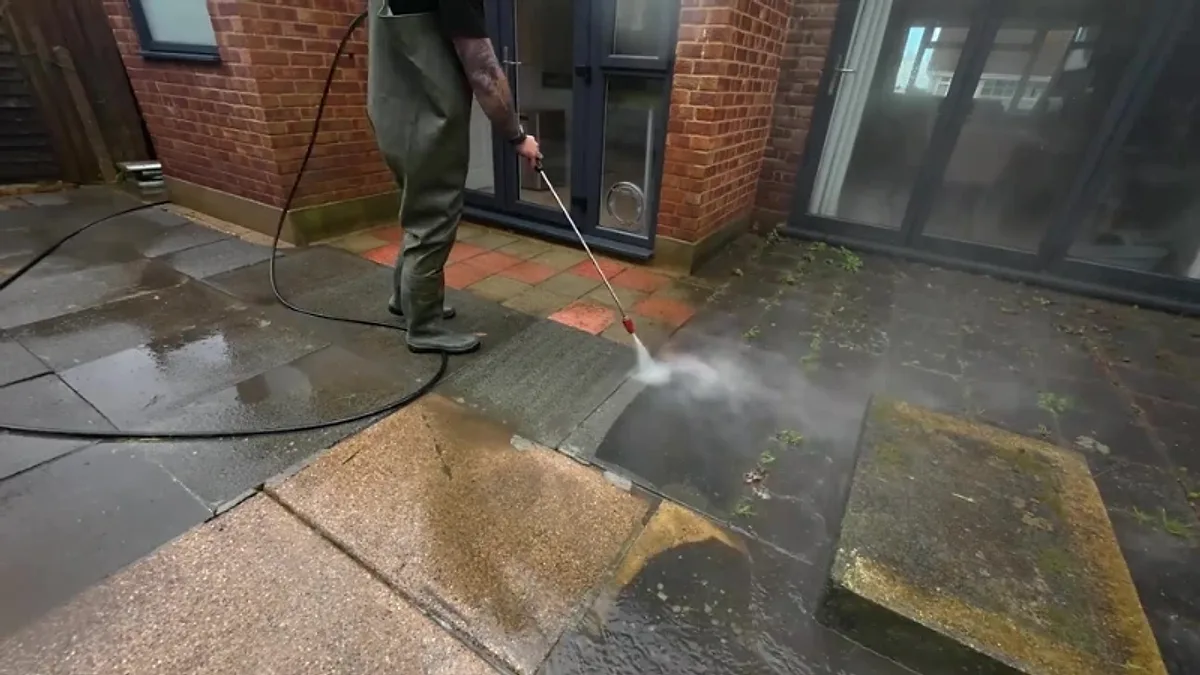
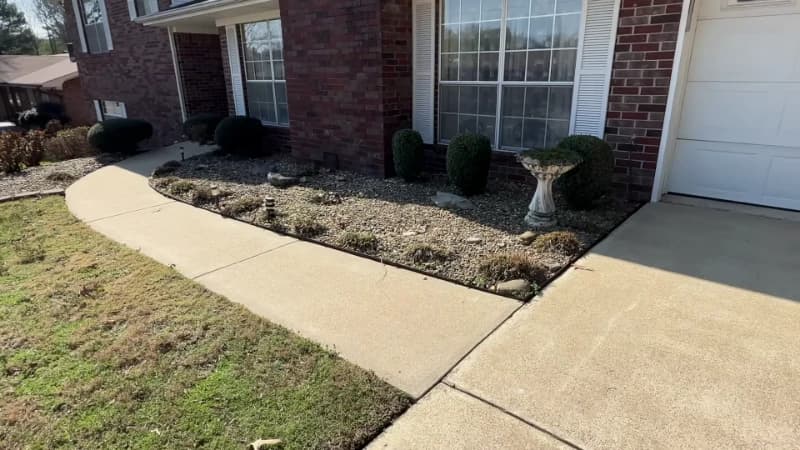
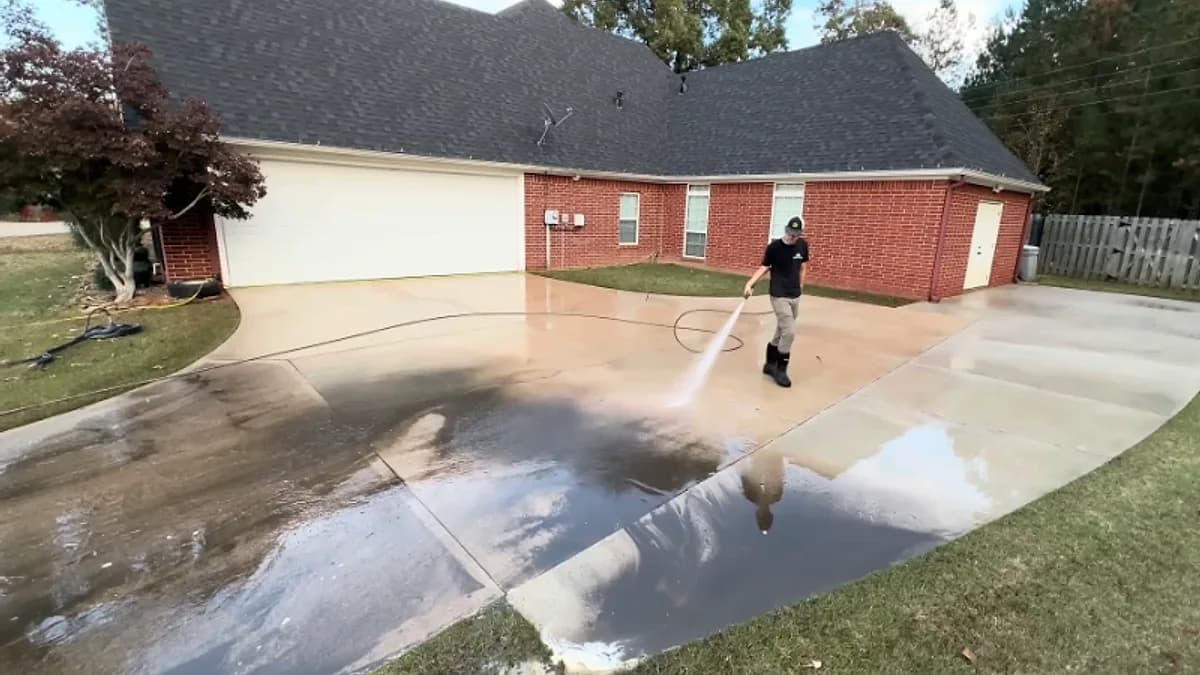
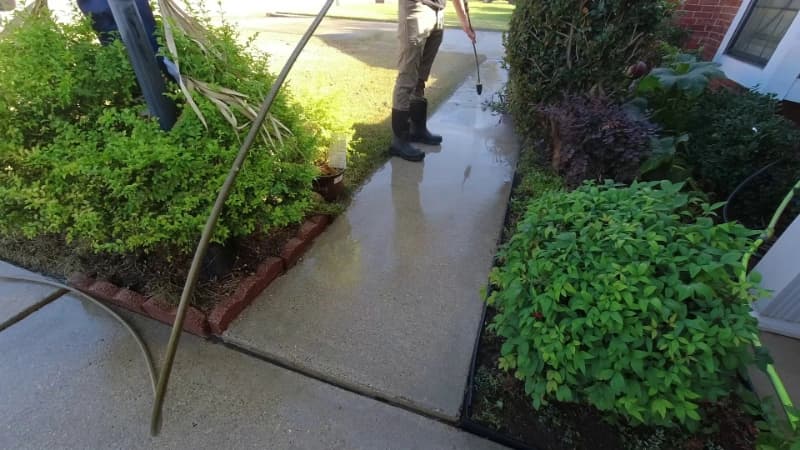
Jacksonville Cleaning Pros works with apartment communities, garden-style and mid-rise multifamily properties, student and build-to-rent communities and the management companies that operate them across Jacksonville and the surrounding First Coast. Work is phased building by building, scheduled around leasing hours and resident traffic, and reported so the regional manager can see what was completed on which day.
Call (904) 938-8585 to walk a property, or ask for a scope covering just the tour path.
The hardest working surface on the property and the one that fails first. Breezeway concrete collects gum, spilled drinks, pet accidents, cigarette burns, grease from grills and dirt tracked in from the parking lot. Stairwell treads and landings hold the same soiling in a smaller, more visible space. These are cleaned with a surface cleaner where the geometry allows and with a hand wand around railings, doors and thresholds, with water managed so it is not running down three flights onto a resident's doormat.
Garden-style buildings in Jacksonville are usually vinyl, hardie board, stucco or a mix, and the mildew shows up first on the north-facing elevation and under the breezeway soffits where the sun never reaches. This is soft washing: detergent, dwell time, low pressure rinse. High pressure on siding forces water behind the panel and into wall assemblies, which turns a cleaning job into a maintenance ticket. The method is explained in more detail on house washing and soft washing.
The path a prospect walks from visitor parking to the leasing office is the highest-value concrete on the property. It is a small area, it is cheap to clean, and it is the difference between a tour that starts well and one that starts with an apology. Most communities keep this on a much shorter cycle than the rest of the site.
Compacted grease, leaking bags, odor and the pest activity that follows. Dumpster pads need hot water and a degreaser rather than pressure alone, plus containment so the runoff is not carrying that material toward a storm drain. On most properties this is the single most complained-about area and the one most often left out of the scope.
Pool decks, cabanas, grill stations, dog parks and fitness building exteriors. Pool surrounds take chemical exposure and sunscreen residue and need a method matched to the deck surface, whether that is textured concrete, pavers or a coating. See pool deck and patio cleaning for how those surfaces are treated.
Kiosks, package rooms, carport posts and roofs, bike shelters and maintenance buildings. Small items individually, but they are what makes a community look maintained or neglected when a prospect looks past the model unit.
Drive lanes, stalls, oil drip lines and any covered or structured parking are a different job with different equipment and different water handling. That is covered on parking lot and garage cleaning, and it is usually scheduled as a separate phase rather than mixed in with the buildings.
During a turn, the exterior work is small but visible: the unit entry and its section of breezeway, the patio or balcony slab, the railing and the front door surround. Cleaning those at turn costs very little on top of a scheduled visit and it removes the most common walk-in objection from a prospect standing at the door. Where a community runs heavy turn volume in the summer, this is worth scheduling as a standing monthly visit rather than as individual call-outs.
A whole-property clean is not one visit. It is a sequence:
usually by building or by pair of buildings, with the tour path and leasing approach treated as their own phase.
on doors, in the resident app and at the mail kiosk, naming the buildings and the dates.
so evening resident traffic and weekend movement are avoided.
through every phase. No resident is ever without a way to their door.
Building work rarely requires moving vehicles. Parking phases do, and that needs a longer notice period and coordination with the on-site team.
by phase, so the on-site manager knows what was finished and what moved.
Most communities have hose bibbs and exterior outlets available, but they are not always where the work is, and on a mid-rise they are frequently not on the right level. Establishing the water source at the walk-through avoids the classic multifamily problem of a crew running 300 feet of hose across a resident's parking space. Where a property cannot supply water, the crew brings its own. Gate codes, key access to service areas and a contact number for the on-site maintenance supervisor are confirmed before the first visit.
Sustained humidity and heavy summer rain keep breezeways, stairwells and shaded elevations damp. Garden-style buildings under mature canopy see organic growth return faster than anything the same age in full sun. Coastal communities carry salt residue on railings, frames and painted surfaces.
Practically, that means breezeways and entries in this market usually need attention two to four times a year, building exteriors annually, and shaded elevations sometimes more often than that. A property that budgets for one full clean a year will spend most of the year looking like it did not get one.
The surfaces are similar. The buyer is not. An apartment community has a single owner or operator and a manager who can approve work against an operating budget, so scheduling is fast and reporting matters more than paperwork. A homeowner or condominium association approves work through a board meeting and a budget cycle, and the proposal has to be built for that process. If you manage a community governed by an association, HOA and property management cleaning is the relevant page. For property outside the residential side of a portfolio, the commercial pressure washing overview covers office, retail, industrial and parking scopes.
Call us or send a message — we will give you a straight answer, whether or not it leads to a booking.
Call NowBy phase, with notices posted 48 to 72 hours in advance naming the buildings and dates. Work runs in the daytime mid-week where possible, and an access route to every door stays open throughout. The tour path and leasing approach are usually scheduled separately so they are never disrupted during a showing.
Not for building, breezeway or stairwell work. Parking surface cleaning does require vehicles to be moved, which is why it is scheduled as its own phase with a longer notice period and the on-site team involved in the messaging.
Usually yes, and the source gets confirmed at the walk-through rather than on the first morning. Where a hose bibb is not available near the work, or a mid-rise has no suitable connection on the right level, the crew supplies its own water.
No. A driveway is open flatwork with somewhere obvious for the water to go. A breezeway is an enclosed walkway with resident doors, thresholds, railings and often two or three floors of drainage to manage, so the work is slower, uses more hand detail around fixtures, and needs the water controlled rather than simply directed.
Yes, and it is a common standing scope. Many communities keep the leasing approach, model area and main entry on a monthly or quarterly cycle and schedule the full property annually.
Hot water and a degreaser rather than pressure alone, because the problem is compacted grease and organic material rather than surface dirt. Runoff is contained and kept out of the storm drain, which matters more here than on any other surface at the community.
We cover all of Jacksonville and Duval County, from the historic districts to the beaches. If your neighborhood is not listed, it is still worth asking.
Not sure if we reach you? Get in touch and we will tell you straight away.
Other property types in the commercial scope, each with its own operational detail.
The full commercial scope across office, retail, industrial, community and parking property.
Commercial pressure washing →Bid by board or CAM manager on annual contracts — an entirely different sales motion from a one-off wash.
HOA & Property Management →Retail and food-service buyers need after-hours work and appearance-standard compliance. Gas station and QSR terms fold in here.
Storefront & Retail →Send the property name, unit count and the areas you want covered. You get a walk-through, a phased scope and a schedule that fits your leasing hours. Call (904) 938-8585 or contact us.
Call Now