Pressure Washing in Jacksonville Beach and the Coastal Communities
If you live at the Beaches, you already know the routine. You get the windows cleaned, and a few weeks later there is a film on the glass again. The screens look dull. The railings feel gritty. Nothing is broken, but nothing looks fresh either.
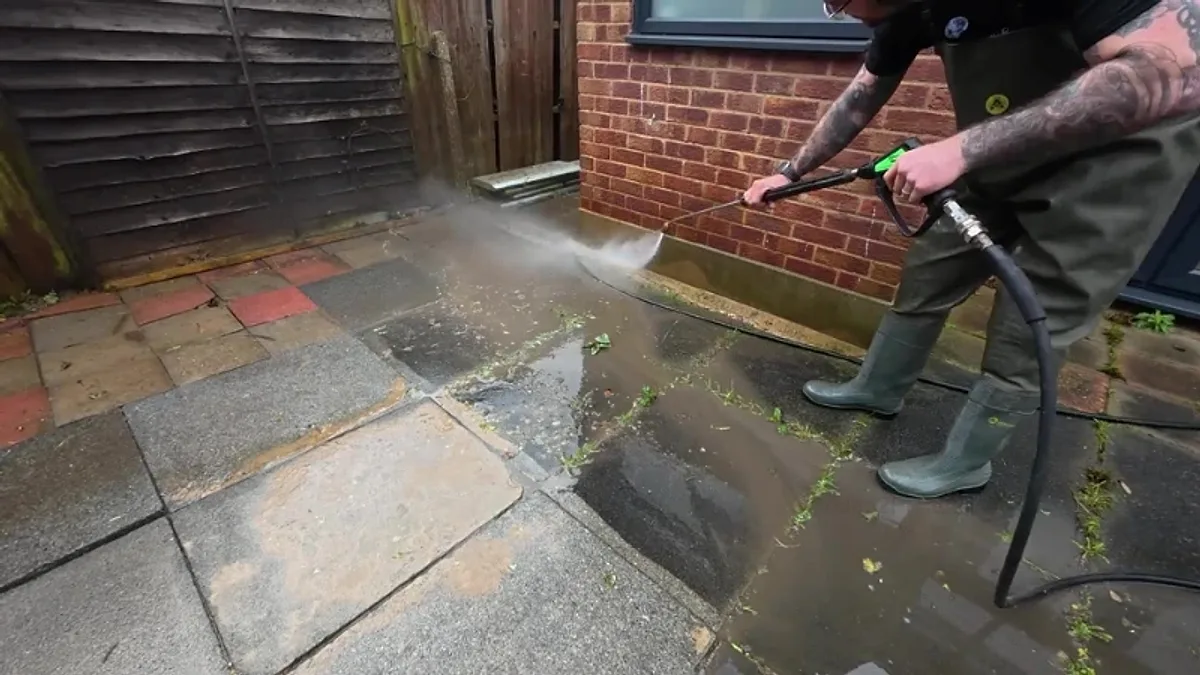
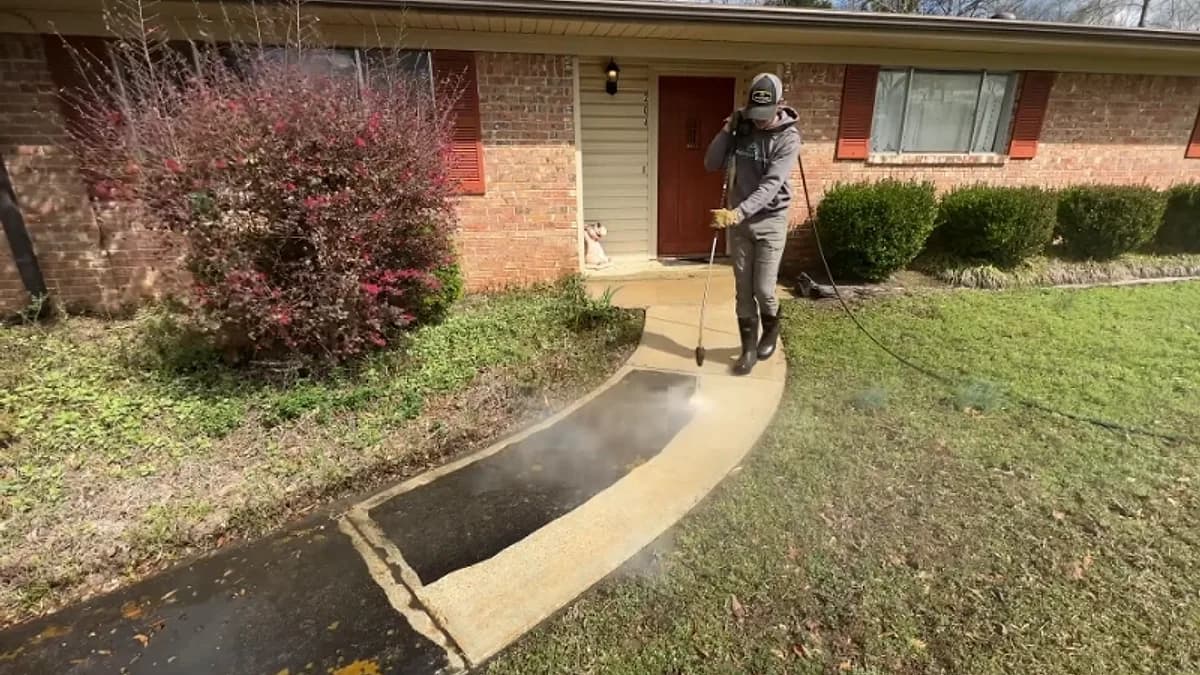
That is what living near the ocean does to the outside of a house. Our pressure washing in Jacksonville Beach, FL is built around those conditions, because a home three blocks from the Atlantic does not collect the same buildup as a home fifteen miles inland.
Serving Jacksonville Beach, Neptune Beach, Atlantic Beach, Ponte Vedra and the surrounding coastal communities.
What Coastal Conditions Do to a Beaches Property
Salt travels in the air here. It settles on whatever is facing the water and it does not rinse off in the next rainstorm the way plain dust would.
Jacksonville Beach, Neptune Beach and Atlantic Beach are three separate cities, but they sit on the same stretch of coast between the Atlantic Ocean and the Intracoastal Waterway, and they share the same exterior problems. Ponte Vedra, just south, deals with the same air.
Homeowners here tend to describe it the same way every time. Hazy glass. Screens that look gray. Dark patches on the shaded side of the house. Buildup on the siding that a hose does not touch.
Salt Film on Glass, Screens and Exterior Surfaces
This is the one people notice first, usually on the windows.
The glass is fine. What you are seeing is a layer of residue sitting on top of it, and a quick rinse just moves it around. The same film builds on screen enclosures, sliding door tracks, and any glass facing east.
Coastal Exposure and Exterior Metal
Railings, screen frames, light fixtures, door hardware. Anything metal on the outside of a coastal home stays exposed to damp, salty air year round.
Regular cleaning keeps residue from building up on those surfaces. It is also the part of a house that gets skipped most often, simply because it is fiddly to reach.
Shade, Humidity and Organic Growth
Two houses on the same street can look completely different depending on which way they face and what is growing around them.
The shaded side of a home stays damp longer after rain, and damp surfaces grow algae and mildew. A wall in full sun on the same house can stay clean for another year. That is why we look at the property rather than quoting off an address.
How Far From the Ocean You Are Changes the Job
Salt does not spread evenly inland. Studies of coastal air put the steepest fall in salt deposition within the first few hundred yards of the water, followed by a long, slow tail further in. That gradient is the reason two Jacksonville Beach addresses two miles apart need different cleaning intervals, and the reason a quote written for a house off Beach Boulevard near the St. Johns does not transfer to one off 3rd Street.
The Florida Building Code draws a line in roughly the same place. Structures within 3,000 feet of a saltwater shoreline are treated as a corrosive environment, and tile roof fasteners in the coastal building zone have to be copper, monel, aluminum or stainless steel. Duval County also carries a Coastal Construction Control Line, administered by the Florida Department of Environmental Protection, marking where the most exposed construction begins.
In practical terms, this is how we band a property at the Beaches.
| Where the property sits | What it gets | What changes in the work |
|---|---|---|
| Oceanfront row, east of 1st Street | Direct salt spray and blown sand, and the highest wind exposure on the First Coast. Pablo Beach North and South, Oceanside Park and the oceanfront condos sit here. | Glass, screens and exterior metal on a short cycle. Every rinse ends in fresh water so salt is carried off the surface rather than moved around it. |
| Within about 3,000 feet of the ocean, roughly out to Penman Road | The corrosive zone the building code recognizes. Salt film is back on east-facing glass within weeks, and hardware stays damp and salty year round. | Railings, screen frames, light fixtures and door hardware are rinsed as part of the house wash, not sold separately. |
| Penman Road west to the Intracoastal, including Isle of Palms and the canal streets | Salt from two directions, ocean air from the east and brackish water from the Intracoastal to the west, plus heavier tree cover and more shade. | Soft washing weighted toward organic growth as well as salt. North-facing and shaded walls get a longer dwell than the sunny elevations. |
| West of the Intracoastal Waterway | Behaves like inland Jacksonville. Algae and pollen lead, salt is a minor factor. | Standard inland intervals. There is no reason to pay for a coastal cycle here. |
One detail is specific to a barrier island. The Beaches sit on a narrow strip between the Atlantic and the Intracoastal, so a storm drain here has a very short run: wash water that reaches a street inlet is in open water shortly afterward, untreated. That is why rinse water is contained and directed into landscaping rather than sent to the nearest drain, and why the cleaning solution has to be chosen with the outfall in mind.
Why Coastal Homes Usually Get Soft Washed
Short answer: pressure works on concrete. It does not work on much else.
Soft washing means cleaning with a low-pressure solution and a rinse instead of force. It is the right method for siding, roofs, screens and painted surfaces, all of which are damaged by high pressure.
That matters more at the Beaches than almost anywhere, because a coastal property packs a lot of different materials into a small footprint. A single home might have:
- Vinyl, stucco or fiber cement siding
- Painted trim and soffit
- Concrete driveway and walkway
- Paver patio or pool deck
- Large areas of glass
- Aluminum screen framing
- A shingle or tile roof
Each of those takes a different pressure and a different solution. Anyone who cleans them all the same way is going to damage something.
The full explanation of how soft washing works lives on our House Washing and Roof Cleaning pages.
Services Beaches Properties Need Most
Window and Exterior Glass Cleaning
Ocean-facing glass gets dirty faster than any other surface on a coastal home. We clean the exterior glass along with the frames, tracks and screens around it, because cleaning the pane alone leaves the dirty part still showing.
More detail on our window cleaning service.
House Washing and Soft Washing
House washing clears dirt, salt residue and organic growth off siding, soffit and trim. On coastal homes this is almost always a soft wash rather than a pressure wash, for the reasons above.
Full method on the house washing page.
Screen Enclosure and Lanai Cleaning
A screen enclosure is really two cleaning jobs. The mesh and frame are one surface. The deck or patio underneath is another, and it usually needs a different approach.
Screens tear well below the pressure a machine puts out, so this is low pressure work from start to finish. See the screen enclosure page.
Roof Cleaning
Roofs get soft washed, never pressure washed. Pressure strips the protective granules off shingles and can affect your warranty coverage.
Ponte Vedra and the Beaches have a mix of shingle and tile roofs, and the approach changes with the material. Details on the roof cleaning page.
Areas We Cover Along the Coast
Jacksonville Beach
The main service area for this page. Jacksonville Beach runs from the ocean west toward the Intracoastal, and properties closer to the water generally see faster buildup on glass, screens and metal than those set farther back.
Neptune Beach and Atlantic Beach
Neptune Beach and Atlantic Beach sit directly north of Jacksonville Beach. They are their own cities with their own governments, but from a cleaning standpoint they are the same stretch of coast with the same conditions.
If you are anywhere in the Beaches, this is your page.
Ponte Vedra and Ponte Vedra Beach
Ponte Vedra sits south of the Beaches and gets the same coastal exposure. Homes here often have tile roofs, stucco and painted surfaces, which is exactly the mix that needs soft washing rather than pressure.
If you have been looking for soft washing in Ponte Vedra specifically, that is the service most properties here need.
The Cleaning Year at the Beaches
Exterior cleaning on the coast is not one job repeated on a timer. What lands on the house changes through the year, and the right month to book depends on which problem you are actually trying to solve.
| Time of year | What lands on the property | Best use of a wash |
|---|---|---|
| Late February to early April | Oak and pine pollen. March is the heaviest month in North Florida, and the yellow film settles into screens, glass, pool decks and paver joints. | Let the drop finish before a full house wash. Screen enclosures and pool decks are worth doing on their own during it. |
| May and June | The sea breeze strengthens and salt film returns quickly on ocean-facing glass. Sargassum starts showing along the beach. | Window, screen and lanai cleaning, ahead of the months the outside of the house actually gets used. |
| June through November | Hurricane season and the wet season together. Rainfall runs past seven inches a month and humidity peaks near 81 percent in August, which is when algae and mildew move fastest. | Roof and shaded-wall soft washing, plus a rinse after any storm so salt and driven debris are not left to sit. |
| December through February | Nor'easters push salt spray further inland than an ordinary sea breeze reaches. January is the driest and least humid month of the year here. | The clearest window for a full exterior wash. Growth pressure is at its lowest, so the result holds longer. |
Most Beaches homes settle on a house wash once a year, with the glass, screens and exterior metal done more often than that. How much more often depends on which exposure band above your address falls into, not on a fixed schedule.
Commercial and Rental Property Cleaning at the Beaches
Rental properties, storefronts and small commercial buildings along the coast have a different set of needs than a single-family home.
Turnover schedules, storefront glass, entryways, walkways and shared exterior areas all have to be cleaned on someone else's timetable. We schedule commercial work around business hours and around guest turnover.
Full details on the commercial pressure washing page.
Why This Page Exists
A property in Jacksonville Beach should not be quoted the same way as a property west of the St. Johns River. Not because of the city name, but because of what actually lands on the house.
Coastal exposure. Salt residue. Large areas of glass and screen. Metal fixtures in damp air. Roof materials that will not take pressure.
If you are calling around for estimates, the useful question to ask any company is simple: what method will you use on my siding, and why? If they give you the same answer for your driveway and your roof, keep calling.
Get a Free Estimate
Tell us the address and roughly what needs cleaning. If your property has a screen enclosure, a paver patio or a lot of glass, mention it, since those change the scope.
We will look at the actual surfaces and give you a written price before any work starts.
Call or text (904) 938-8585 for a free estimate on your coastal property.
Call NowQuestions From Beaches Property Owners
Still Have Questions?
Call us or send a message — we will give you a straight answer, whether or not it leads to a booking.
Call NowYes. We cover Jacksonville Beach along with Neptune Beach, Atlantic Beach and Ponte Vedra. Most coastal homes get a combination of soft washing on the siding and roof, and pressure only where the surface can take it, like concrete.
Yes. Both are included in the same coastal service area as Jacksonville Beach. They are separate cities but the same stretch of coast, and the cleaning needs are close to identical.
Yes. Soft washing is the standard approach for most Ponte Vedra properties, especially those with tile roofs, stucco or painted exterior surfaces where high pressure would cause damage.
Salt in the air settles on exterior surfaces continuously and does not wash off in ordinary rain. Add humidity and shade, which let algae and mildew grow, and coastal homes simply accumulate more than inland ones. How fast depends on how exposed your property is and which direction it faces.
Yes. We clean the screen mesh, the frame and the surface underneath. All of it is done at low pressure, because screen mesh tears well below the pressure a standard machine produces.
Yes. Commercial and rental work is scheduled around your business hours or guest turnover. Full details are on our commercial page.