Low-Pressure Soft Washing
The cleaning solution and dwell time address organic growth instead of relying on aggressive mechanical force against the roof surface.
Our roof washing Jacksonville FL service addresses black streaks, algae and organic buildup with a no-pressure soft-wash method suited to the roof material. We assess the roof and provide a written price before work begins.
For roof cleaning Jacksonville FL homeowners can rely on, the method should be suited to the roofing material rather than simply using more pressure.
If your roof has dark streaks, algae growth or accumulated organic buildup, professional roof cleaning should use a method suited to the roofing material — not simply more pressure.
Jacksonville Cleaning Pros provides residential roof cleaning services for homeowners across Jacksonville and Duval County. Our roof washing service uses low-pressure application, appropriate cleaning solutions and a controlled rinse to clean the roof without unnecessarily disturbing the protective surface of the shingles.
The process begins with an assessment of the roof's material, condition, pitch, access, and the type and extent of buildup. Roofs with active leaks, heavy granule loss, cracked materials or loose flashing may need evaluation before cleaning.
Call (904) 938-8585 or request a free estimate to have the roof assessed and receive a written price before work begins.
Roof washing is not one process for every material. The right approach accounts for the roof surface, its condition and the type of buildup before any treatment is applied.
The cleaning solution and dwell time address organic growth instead of relying on aggressive mechanical force against the roof surface.
Asphalt shingles, tile, metal, flat roofs and cedar shake each have different tolerances for pressure, moisture, cleaning solutions and foot traffic.
Visible leaks, loose flashing, cracked materials and significant granule loss are considered before cleaning begins.
Surrounding plants and landscaping are pre-wetted and protected as appropriate during preparation.
Black streaks, algae, moss, lichen and roof staining are assessed so the treatment fits the condition being addressed.
Roof size, pitch, access, material and buildup all affect the work required, so final pricing is confirmed after assessment.
Jacksonville's warm, humid conditions, frequent rainfall, tree cover and seasonal storms can create favorable conditions for algae and other organic buildup on exterior surfaces.
Shaded roof slopes can remain damp longer after rainfall, while leaves and other debris can collect around valleys and drainage areas. Coastal properties can also experience additional airborne salt and weather exposure.
Dark vertical streaks on asphalt shingles are commonly associated with Gloeocapsa magma, an algae that can create persistent discoloration.
Discoloration can come from algae, organic debris, weather exposure and other surface buildup. Treatment depends on the cause and roofing material.
Shaded, damp areas can support moss and lichen. These growths should be treated carefully rather than aggressively scraped or blasted away.
Significant granules in gutters or around downspouts can indicate wear. Cleaning cannot repair deteriorated shingles, so the roof should be assessed first.
Leaves and pine needles can collect in valleys and drainage areas. Removing accessible debris helps water move through intended drainage paths.
Seasonal storms can leave grit, branches and debris on a roof. An assessment can help identify accessible problem areas after severe weather.
For roofs, the cleaning method should be chosen for the material and its condition. Asphalt shingles are not treated like concrete flatwork.
A typical roof-cleaning visit is planned around the roof material, condition, access and the buildup being treated.
Soft washing removes organic staining while minimizing unnecessary mechanical force on the protective granule surface.
Their textured profile can hold buildup in the surface contours, so solution application and dwell time matter more than increased pressure.
Cleaning accounts for the condition of the tiles, roof slope and safe access to avoid unnecessary damage or foot traffic.
Treatment accounts for roof coating, fasteners and seams so the cleaning process does not unnecessarily damage the finish.
These roofs need attention to drainage as well as surface cleaning, so water and debris are not left where drainage is limited.
A soft material that requires a particularly careful, low-pressure approach based on its condition.
Each step is adjusted to the roofing material, condition and the extent of buildup found during assessment.
We examine the roof material, condition, pitch, access, visible buildup and areas that need special attention before choosing an approach.
Plants and surrounding landscaping are pre-wetted and protected as appropriate, while exterior fixtures and vulnerable areas are considered during preparation.
The appropriate solution is applied at low pressure, rather than using high-pressure mechanical force against the roof surface.
Dwell time allows the treatment to work on organic buildup. Conditions such as temperature, surface condition and growth severity affect the time required.
The roof is rinsed at a pressure appropriate for its material, then inspected for remaining buildup and visible conditions that may need further attention.
Package prices are starting points. Final pricing depends on roof size, stories, pitch, material, accessibility, buildup, condition and any additional services requested.
A starting point for accessible single-story roofs; the final scope is confirmed after assessment.
Final price confirmed after a free on-site estimate.
A starting point for two-story or more complex roofs where access, pitch and surface area affect the work required.
Final price confirmed after a free on-site estimate.
A combined starting point for roof cleaning and gutter service in one property-maintenance visit.
Final price confirmed after a free on-site estimate.
There is no single cleaning schedule for every Jacksonville roof. These factors help determine when a professional assessment makes sense.
Visible black streaks, staining and organic growth are practical signs that it may be time to have the roof assessed.
Heavy shade, tree debris and moisture exposure can influence how quickly buildup returns and whether valleys need attention.
If you find significant granule material in gutters or near downspouts, have the roof assessed before cleaning; cleaning cannot repair worn shingles.
Active leaks, severe deterioration, loose flashing and damaged roofing components should be addressed before any cleaning is scheduled.
Roof pitch, material and safe access all affect the cleaning approach, particularly on tile, steep-slope and low-slope roofs.
Roof cleaning can be coordinated with gutter cleaning or other exterior maintenance when that makes sense for the property.
The questions Jacksonville homeowners ask us most about this service, answered straight.
Call us or send a message — we will give you a straight answer, whether or not it leads to a booking.
Call NowBlack streaks on asphalt shingles are commonly associated with Gloeocapsa magma, an algae that can create persistent dark discoloration. Because the growth is biological, simply rinsing may not address the underlying buildup.
A roof should not be treated like concrete or another surface that tolerates high pressure. Soft washing uses low-pressure application, cleaning solution and a controlled rinse to reduce unnecessary mechanical force on shingles.
The roof-cleaning process uses a soft-wash, low-pressure approach rather than blasting the roof with high pressure. The treatment and rinse are adjusted to the roofing material and condition.
Yes. We assess asphalt and architectural shingles, concrete and clay tile, metal roofing, flat and low-slope roofs, and cedar shake. The cleaning approach is adjusted to the material and its condition.
Timing depends on roof size, accessibility, material, condition and the amount of buildup. The assessment helps determine the appropriate scope before work begins.
There is no single schedule. Shade, tree coverage, rainfall, moisture exposure, roof pitch and the amount of organic growth affect how quickly staining returns. Recurring visible streaks are a good reason to request an assessment.
Not necessarily. Some discoloration may be related to aging, permanent material changes, corrosion or deterioration rather than removable surface buildup. The roof condition should be assessed before promising complete stain removal.
Call (904) 938-8585 or use the contact page with the property address and a general description of the roof condition. We can assess the roof and provide a written price before work begins.
We cover all of Jacksonville and Duval County, from the historic districts to the beaches. If your neighborhood is not listed, it is still worth asking.
More on this service in roof cleaning for Beaches and Ponte Vedra properties.
Not sure if we reach you? Get in touch and we will tell you straight away.
If your roof is part of a larger exterior-maintenance project, these services can also be scheduled for the same property.
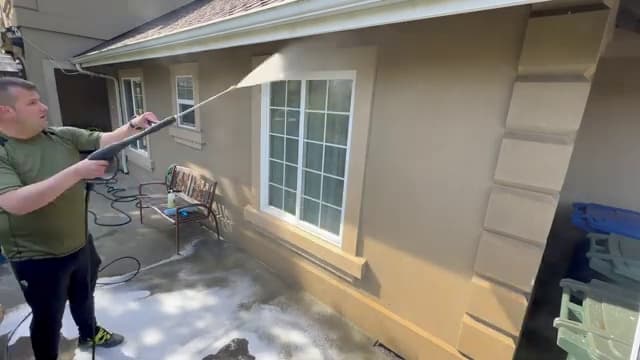
Low-pressure cleaning for vinyl, stucco, brick, fiber cement and painted wood, including soffit, fascia and gutter exteriors.
House washing in Jacksonville →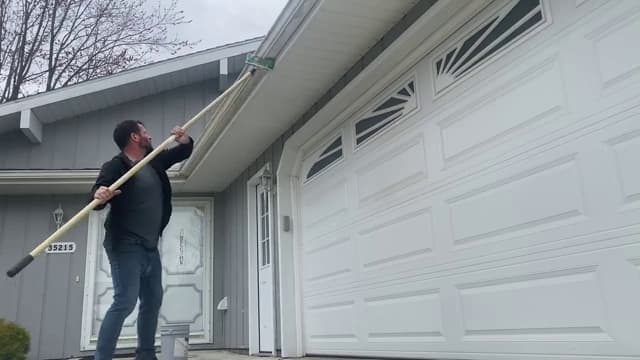
Two different jobs: clearing debris from inside the gutter, and removing the black striping from the outside.
Gutter cleaning →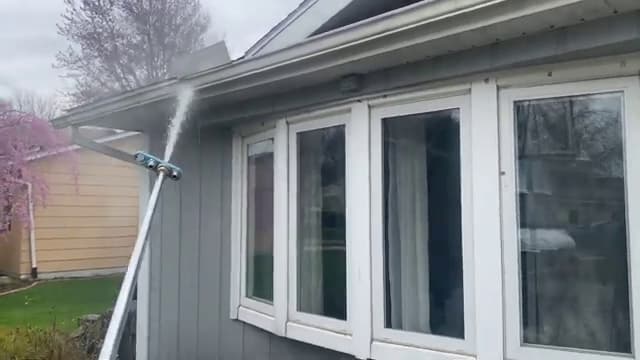
Specialized exterior cleaning for elevated and hard-to-reach surfaces across Jacksonville and qualifying Northeast Florida properties.
Drone pressure washing →If your Jacksonville roof has black streaks, algae, staining, moss, lichen or accumulated debris, call (904) 938-8585 or request a free estimate for an assessment.
Call Now